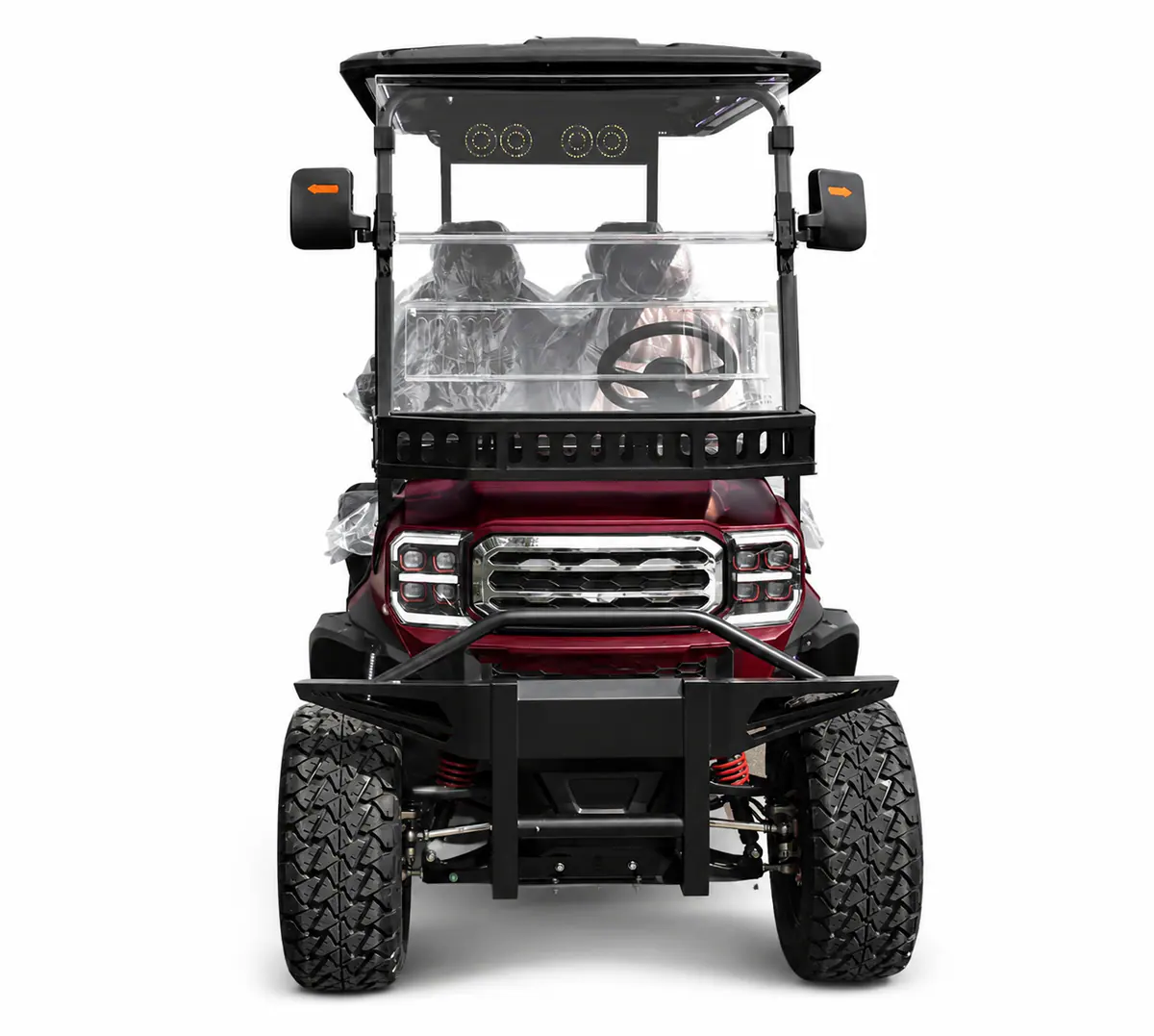
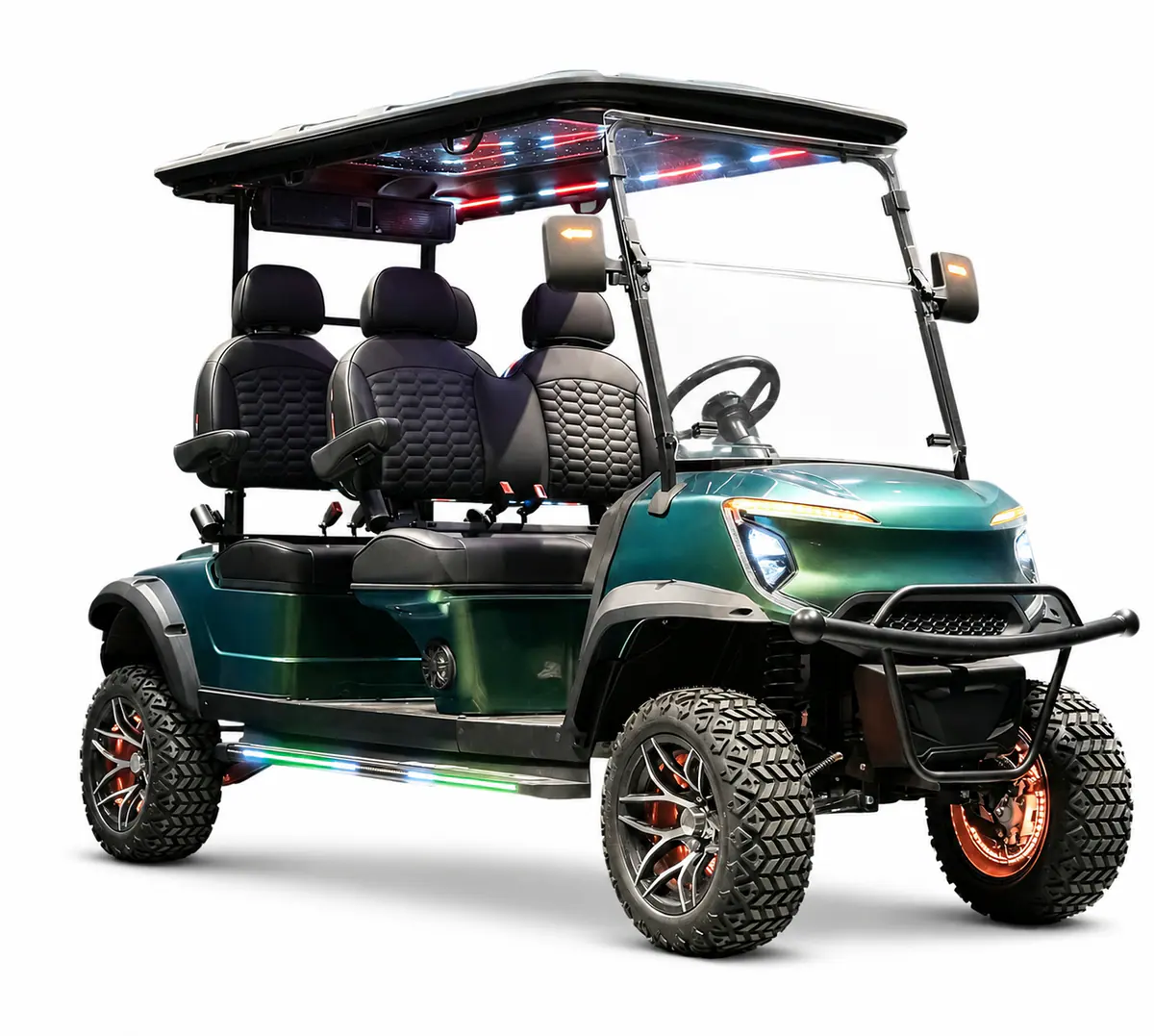
Configured vehicle program
Start with an existing KA–KH platform and define seating, power system, equipment and appearance against the intended use.
 View modelsRequest a quote ↗
A useful OEM program is more than a logo change. Start from the destination and application, then define the body platform, passenger layout, power system, appearance, equipment, packaging and documentation needed for approval.
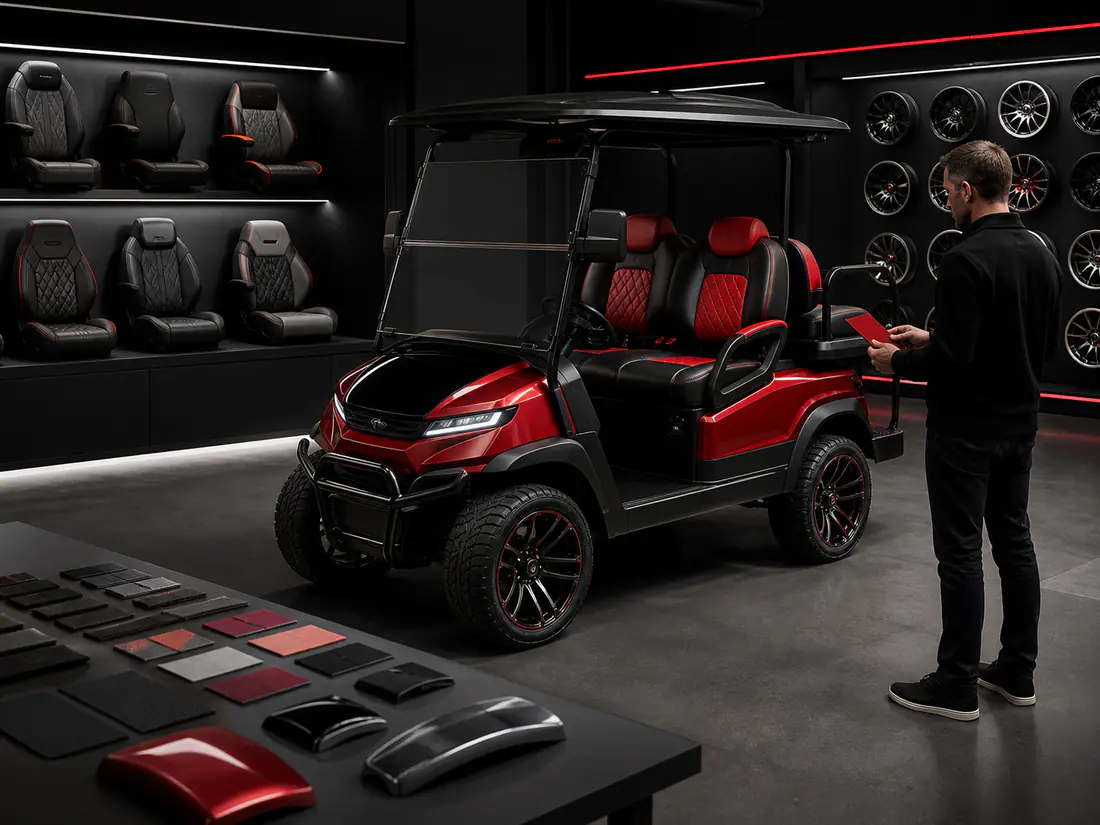
Submit battery, voltage, seating, color, branding and equipment requirements for feasibility review. Record accepted items, exclusions and applicable compliance needs in the approved specification.
Start with an existing KA–KH platform and define seating, power system, equipment and appearance against the intended use.
Confirm brand artwork, color references, labels, manuals, packaging and ownership of supplied files.
Body, structure, tooling or new-component requests need feasibility, cost, sample and validation approval before any commitment.
Keep a dated specification, sample sign-off and change record as the production reference.
Specifications, order quantity, price, schedule, packing, warranty and destination requirements must be confirmed in the dated quotation and final written agreement.
Configuration, private-label work and new product development need different files, approval stages and commercial assumptions. Define the project type first.
Select an existing KA–KH platform, then define seating, power system, color, wheels, accessories and destination equipment.
Supply approved logos, color references, label text, manuals and packaging requirements, with ownership and revision responsibilities recorded.
For new body, structure, tooling or components, begin with feasibility, engineering scope, sample plan, validation and change control.
Identify whether approval uses a physical sample, annotated photos, drawings, color chips or a combination.
Freeze one dated bill of requirements before production and list every unresolved item separately.
Agree incoming checks, assembly checkpoints, functional inspection, packing evidence and release documents.
KG uses a lifted, adventure-led visual direction; KH uses a luxury-led body and cabin direction. Confirm seating, battery, motor, controller, wheels and market equipment in the current written specification.
Battery, voltage, seating, body color, seats, wheels, trim, accessories, branding and market-specific equipment can be reviewed for customization.
A sample request can be reviewed after the platform, intended use and customization scope are defined. Availability, cost and schedule belong in the written project quotation.
Yes. New components, special finishes, tooling, testing and approval cycles can change the schedule. Confirm milestones only after the project scope is approved.
Every request is reviewed for engineering compatibility, safety, sourcing and destination-market requirements before it is included in the final specification.