Project definition
Document the market, application, quantity, duty cycle and required equipment.
 View modelsRequest a quote ↗
Commercial buyers need vehicles that match the route, passenger or cargo task, operating hours and service plan. Use one written brief to connect configuration, sample approval, production checks, export packing and parts planning.

Instead of selecting only by appearance, start with route distance, gradients, load, seating, charging windows, local equipment requirements and fleet quantity. This creates a clearer basis for quotation and production.
Document the market, application, quantity, duty cycle and required equipment.
Choose the platform, seating, battery, voltage, color, trim and accessories.
Confirm order quantity, milestones, Incoterm, packing dimensions and loading plan against the approved fleet configuration.
Request covered components, exclusions, claim evidence, replacement steps and spare-parts support in the written agreement.
Specifications, order quantity, price, schedule, packing, warranty and destination requirements must be confirmed in the dated quotation and final written agreement.
Use one fleet brief from quotation through acceptance. This keeps vehicle scope, operating assumptions, inspection evidence and support terms comparable.
Define passenger or cargo task, route distance, gradients, surfaces, turning constraints, payload needs and required destination equipment.
Record shift length, expected trips, idle windows, charging locations, available power and operating conditions used for system selection.
Choose the approved platform, seating, battery, motor, controller, tires, brakes, accessories, colors and unit identification scheme.
Agree service intervals, operator checks, diagnostic process, initial spare parts and the written warranty-claim path.
Define sample approval, production checkpoints, functional checks, required photos or records and the release criteria before dispatch.
Confirm model-specific packing, loading plan, shipment documents, receiving checks and the staged fleet introduction plan.
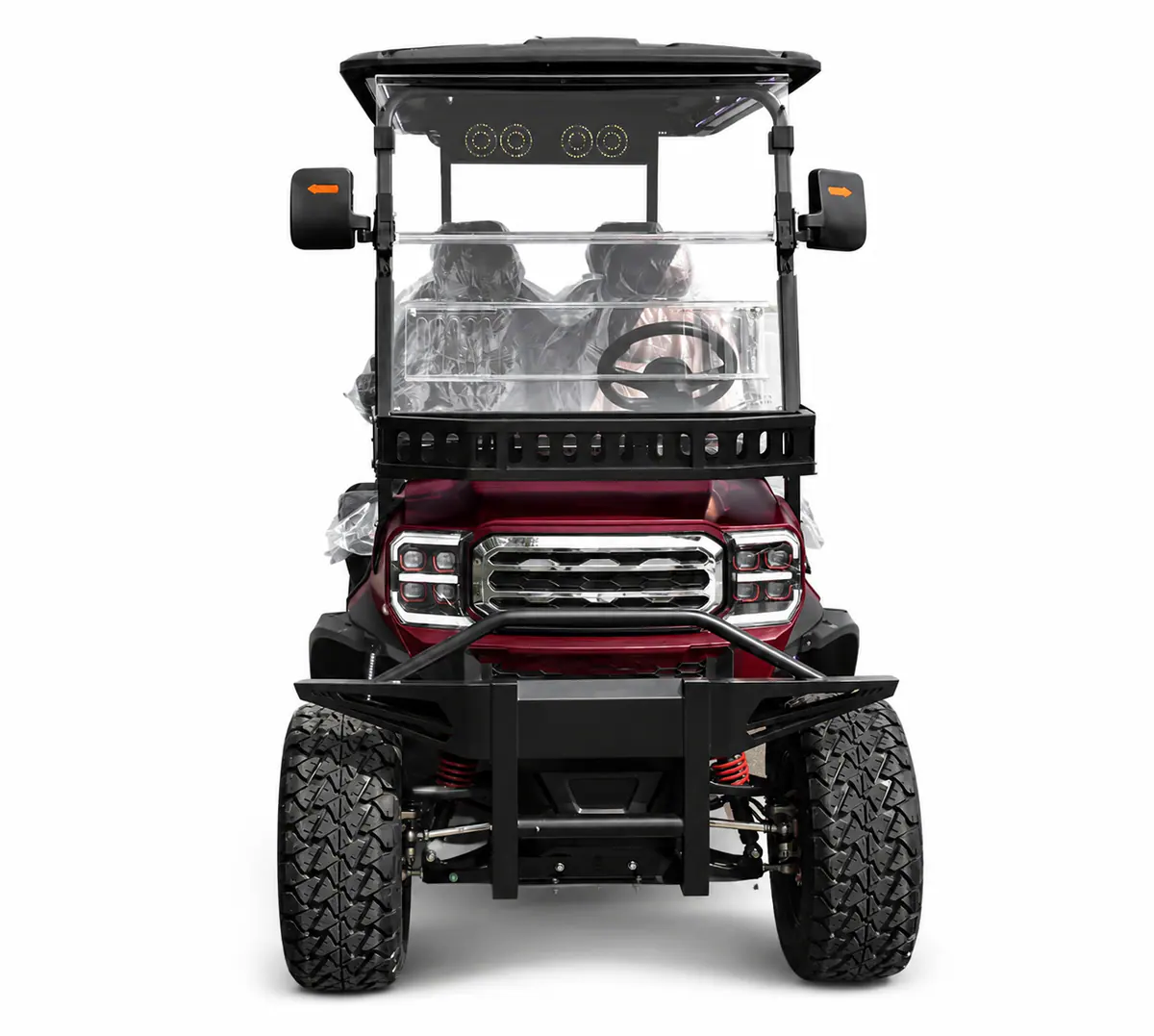
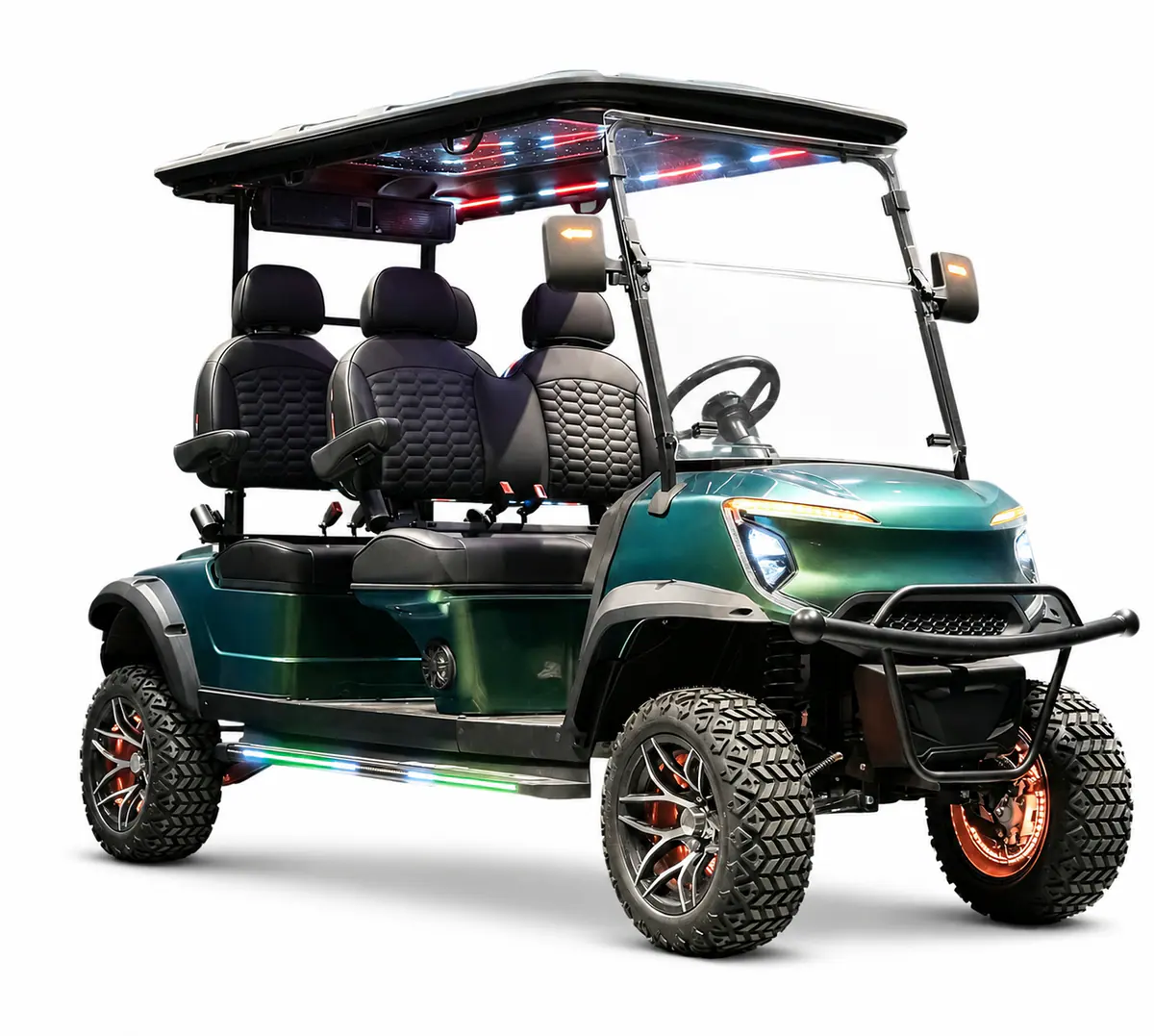
KG uses a lifted, adventure-led visual direction; KH uses a luxury-led body and cabin direction. Confirm seating, battery, motor, controller, wheels and market equipment in the current written specification.
Mixed platforms, seating and equipment can be reviewed against the project quantity and container plan.
The schedule should be confirmed after quantity, specification, sample approval and inspection milestones are agreed in writing.
Yes. Market-specific equipment can be reviewed, but the buyer and factory must confirm applicable registration, compliance and operating requirements for the destination.
Provide the destination country, daily use, terrain, route distance, passenger or load requirement, quantity, charging plan and purchase timeline.